

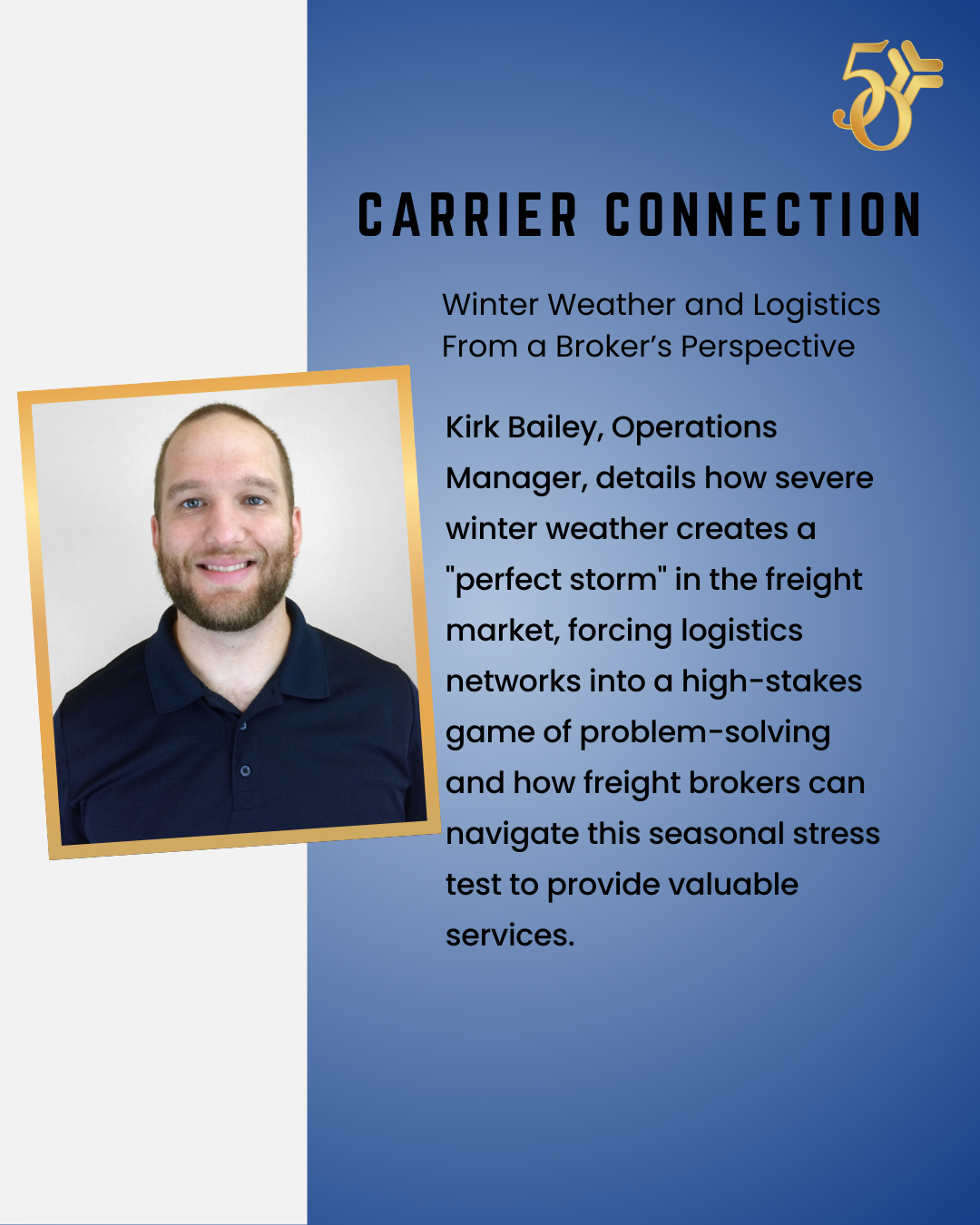
The annual arrival of severe winter weather invariably introduces a significant degree of volatility and challenge into the truckload freight market, a reality every transportation broker must navigate. From heavy snowfalls and ice storms to extreme cold, these weather events disrupt established logistics networks in predictable yet compounding ways. The primary immediate impact is a reduction in available carrier capacity. Many drivers are legally restricted from operating during severe weather or choose to wait out dangerous conditions, leading to widespread cancellations and delays. This is particularly true for high-risk zones, where delays can cost the industry billions annually due to lost productivity and increased operational expenses. Furthermore, road closures and mandated ELD hours-of-service limitations often bottleneck traffic at key transit points, drastically slowing down transit times and increasing the complexity of finding reliable coverage, particularly for time-sensitive or refrigerated shipments.
This capacity crunch directly translates into sharp rate increases as shippers compete fiercely for the dwindling pool of active trucks. As brokers, our role shifts from simple rate negotiation to intensive, proactive problem-solving. We must work closely with both shippers and carriers, setting realistic expectations about potential delays and costs, and leveraging our network to find alternative, albeit more expensive, solutions. For instance, a broker might advise a client to shift from standard dry van to expedited team services, or utilize multimodal rail options where weather impacts are less severe. Data consistently shows that extreme weather events dramatically push up spot market rates as demand far outweighs immediate supply, creating a “perfect storm” of higher cost and lower reliability. The key during this period is rapid communication and transparency. A broker who can swiftly relay weather-related updates and contingency plans builds invaluable trust with both their customers and carriers.
Ultimately, winter weather serves as a crucial stress test for the entire supply chain, and for the broker’s preparation and planning. The ability to forecast weather impacts, preemptively secure capacity, and maintain robust relationships with diverse carrier partners determines success. While the winter months inevitably introduce unpredictability and margin pressure, they also highlight the essential value of a skilled transportation broker: providing expertise, mitigating risk, and ensuring continuity of service when the elements are actively working against the smooth flow of commerce.
Read the original article here